
013 | From the Field : Emergent Abundance Farming Collective
Farms are rarely static. Plants grow, seasons change, and even the most meticulously planned plantings have a way of evolving once put into practice. But at Emergent Abundance Farming Collective, the farm’s evolution has as much to do with the people tending it as the plants themselves.
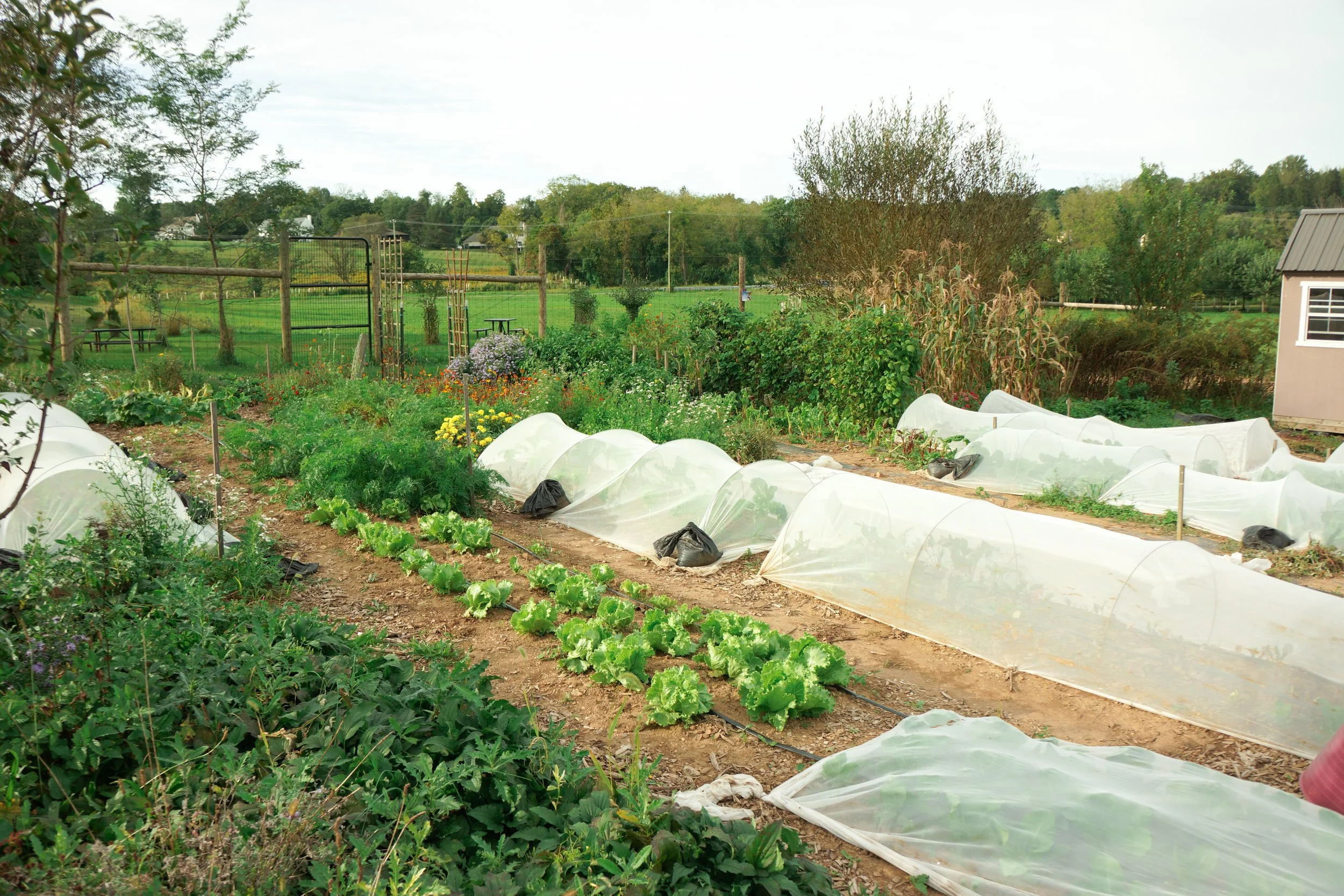
Nestled into the rolling landscape of Chester County, Pennsylvania, the collective occupies a former sheep pasture at Spar Hill Farm. What was once grazing land is now a patchwork of vegetable beds, evolving projects, and the individual interests of the volunteers who cultivate it.
Founded in 2020, Emergent Abundance began on privately owned farmland before expanding to its present location through a partnership with Kennett Township. The collective grows fresh produce for local food assistance organizations, including Kennett Area Community Service, while providing its members with an opportunity to grow food for their own households.
During my visit, I spoke with Norah, an active member of the collective who moved to Pennsylvania from Colorado in 2020. Norah first discovered Emergent Abundance after attending a documentary screening at the Kennett Library and has been passionately involved ever since.
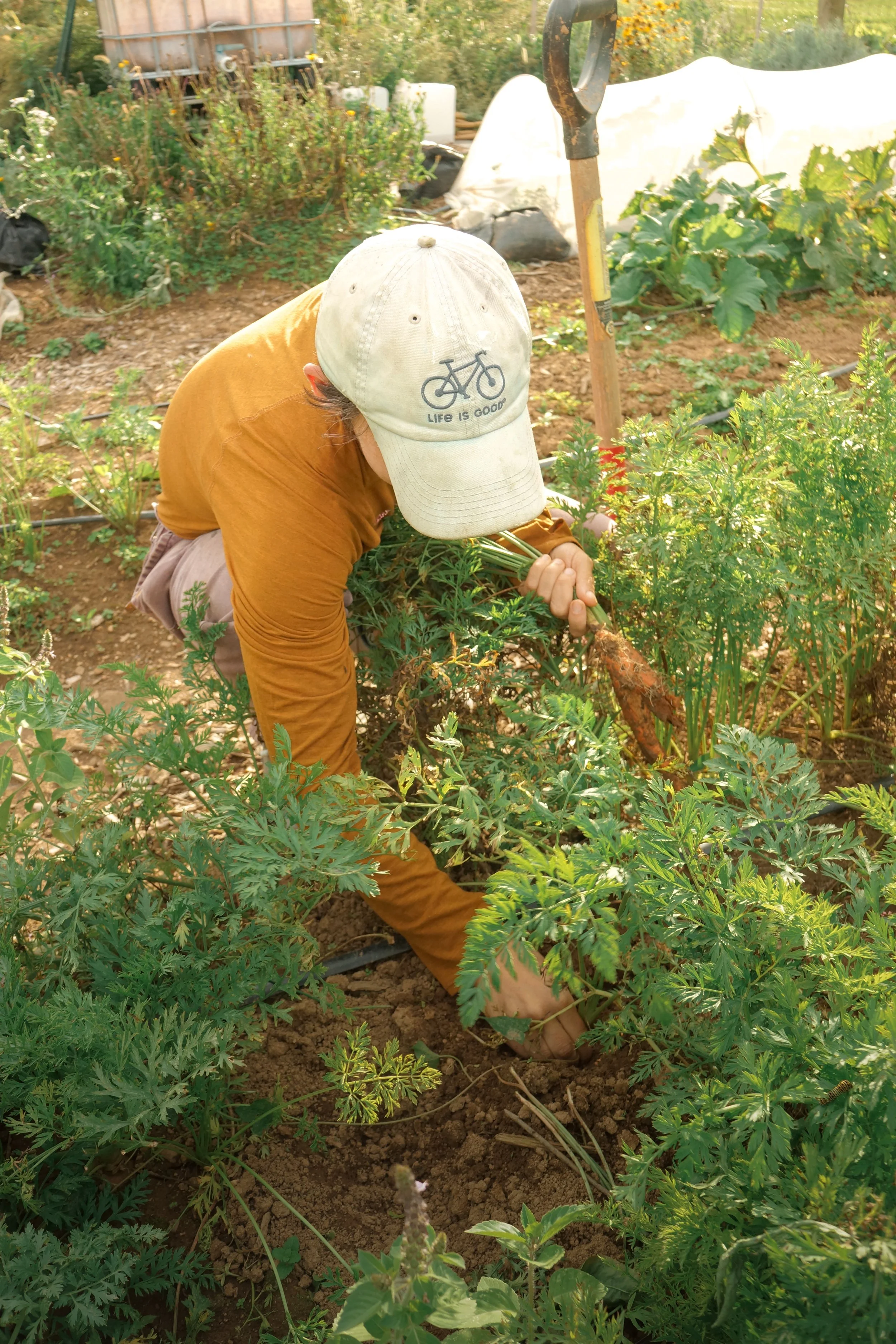
One of the more interesting aspects of Emergent Abundance is the freedom volunteers have to influence what gets planted. At one point, a portion of the garden was dedicated to dye plants, reflecting an interest in natural pigments. Other members have explored herbalism, bringing their own knowledge and interests into the growing space. As volunteers come and go, so too do the projects they introduce.
Some changes have been considerably more practical. Norah described how the collective reoriented several planting beds to better accommodate a gravity-fed irrigation system, taking advantage of the property’s natural slope. Other adjustments have come through trial and error. Harlequin bugs have made brassicas particularly challenging, prompting the introduction of insect netting and more deliberate crop rotation.
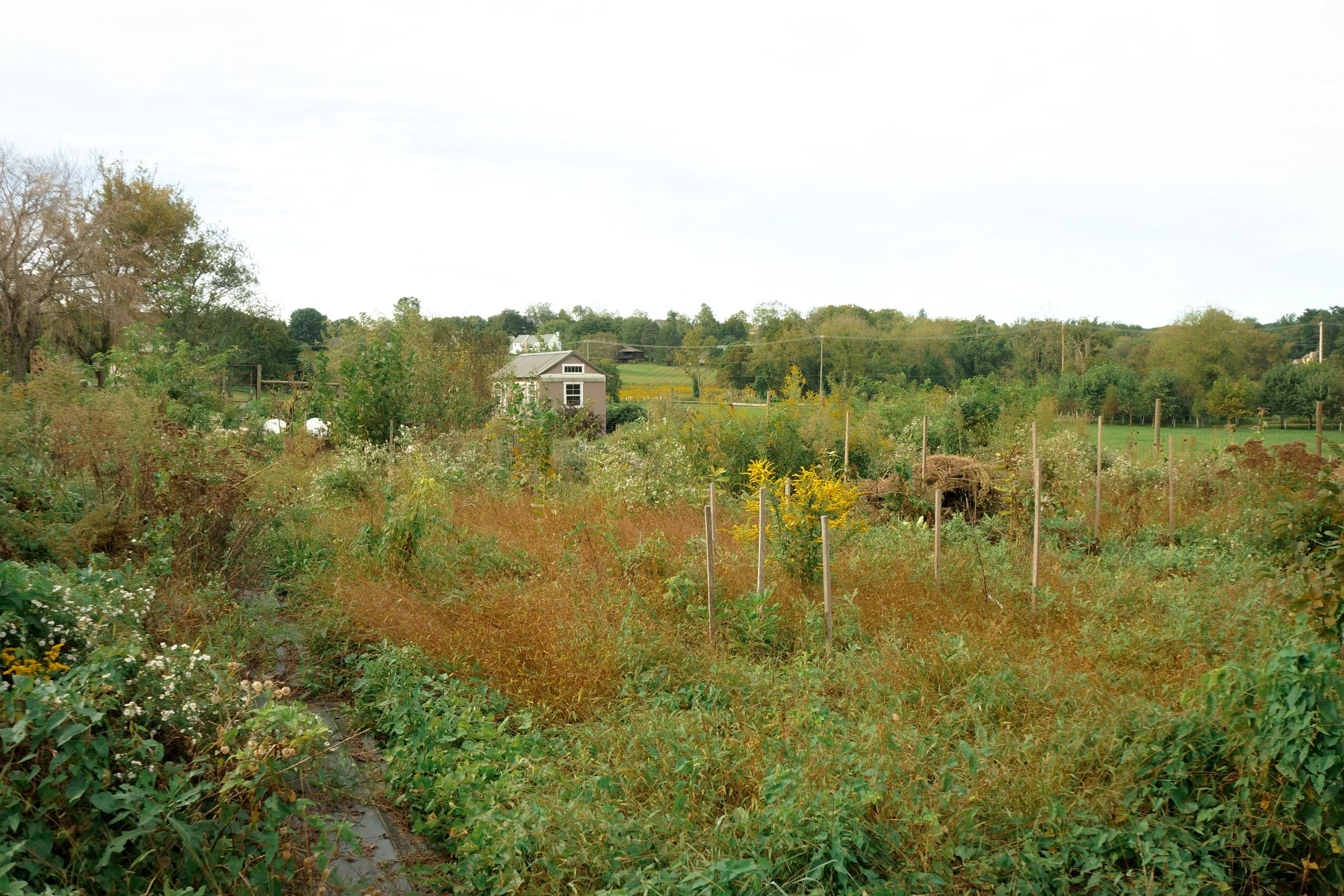
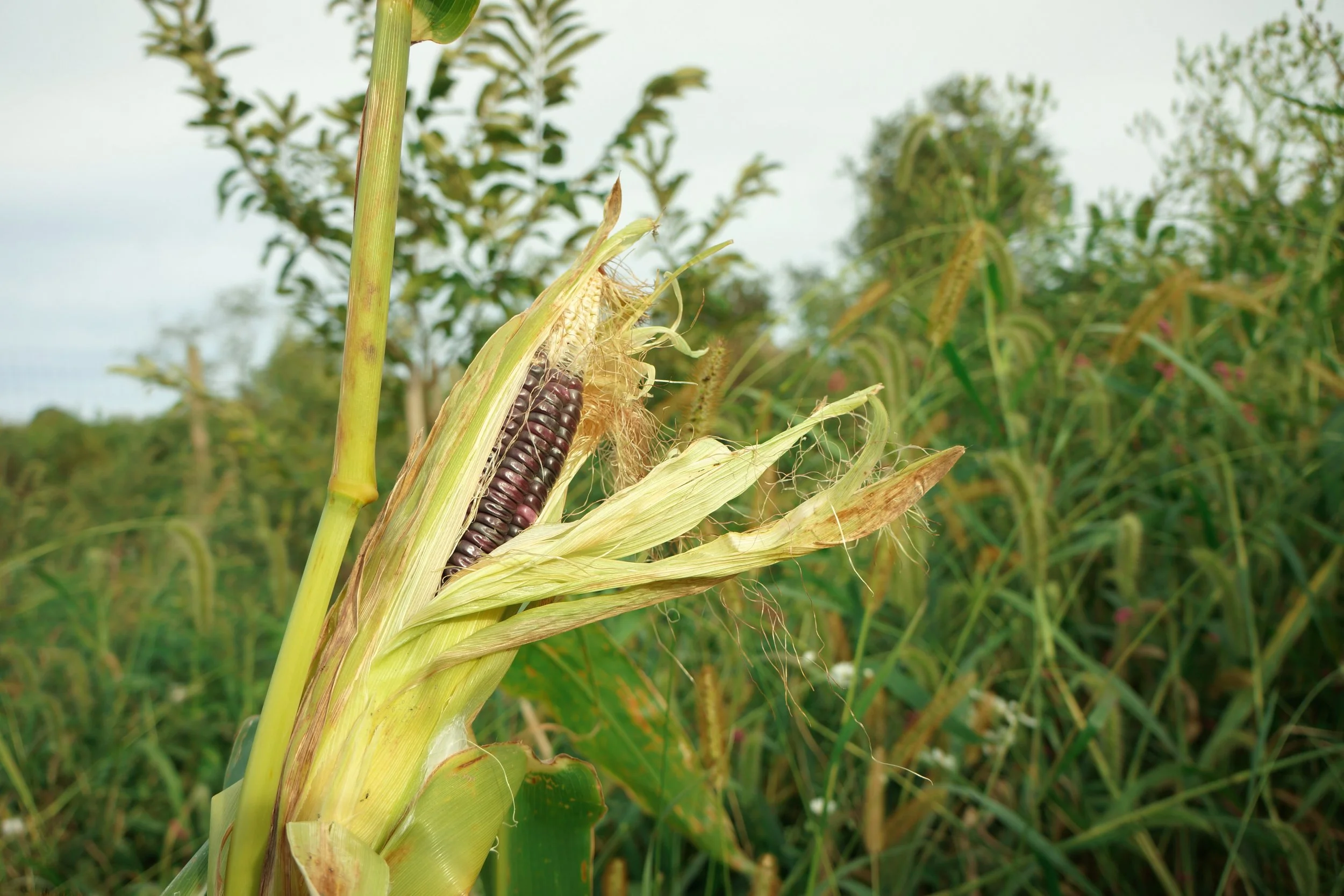
The farm’s planting decisions also reflect the needs of the surrounding community. Food assistance organizations have requested crops such as jalapeños, cilantro, and plum tomatoes to better serve the area’s Hispanic population. Alongside these crops, the collective grows blue maize and Nanticoke squash, while saving seeds from some of its bean and squash harvests.
Food production has been central to the collective’s mission from the beginning. In its first year, Emergent Abundance donated more than 1,000 pounds of produce to local community organizations. Since then, its partnership with Kennett Area Community Service has continued to develop, alongside its growing network of volunteers and community supporters.
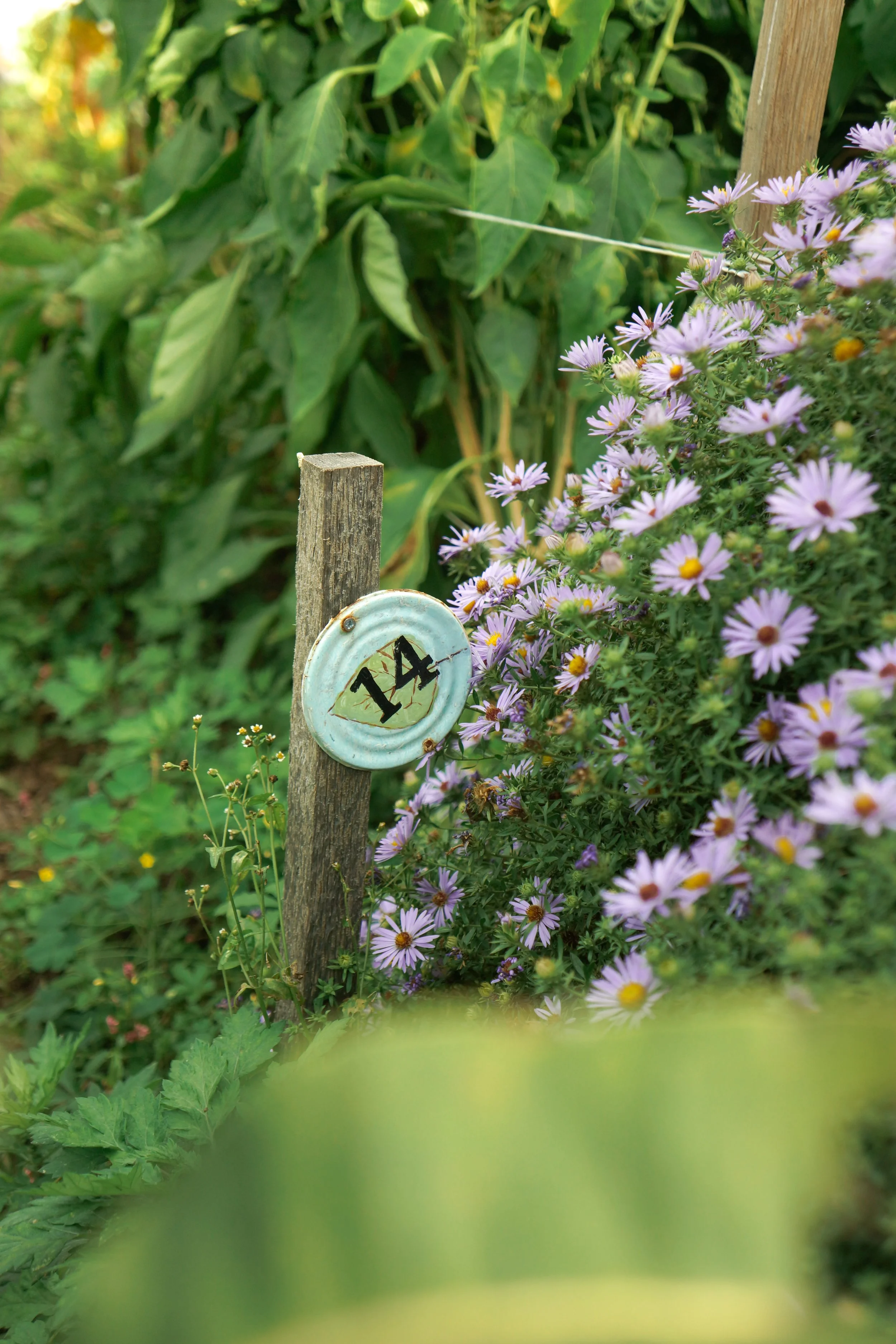
Of course, allowing a farm to develop around the interests of its volunteers presents challenges of its own. When I asked, Norah explained that one of the greatest difficulties facing the farm is labor. The time someone can dedicate to volunteering often shifts with the seasons of their own life. Work, family, and other responsibilities inevitably take precedence, even as the demands of growing food continue.
Yet those same volunteers, each bringing different experiences, skills, and interests, are also what give the farm its beautiful diversity and character.
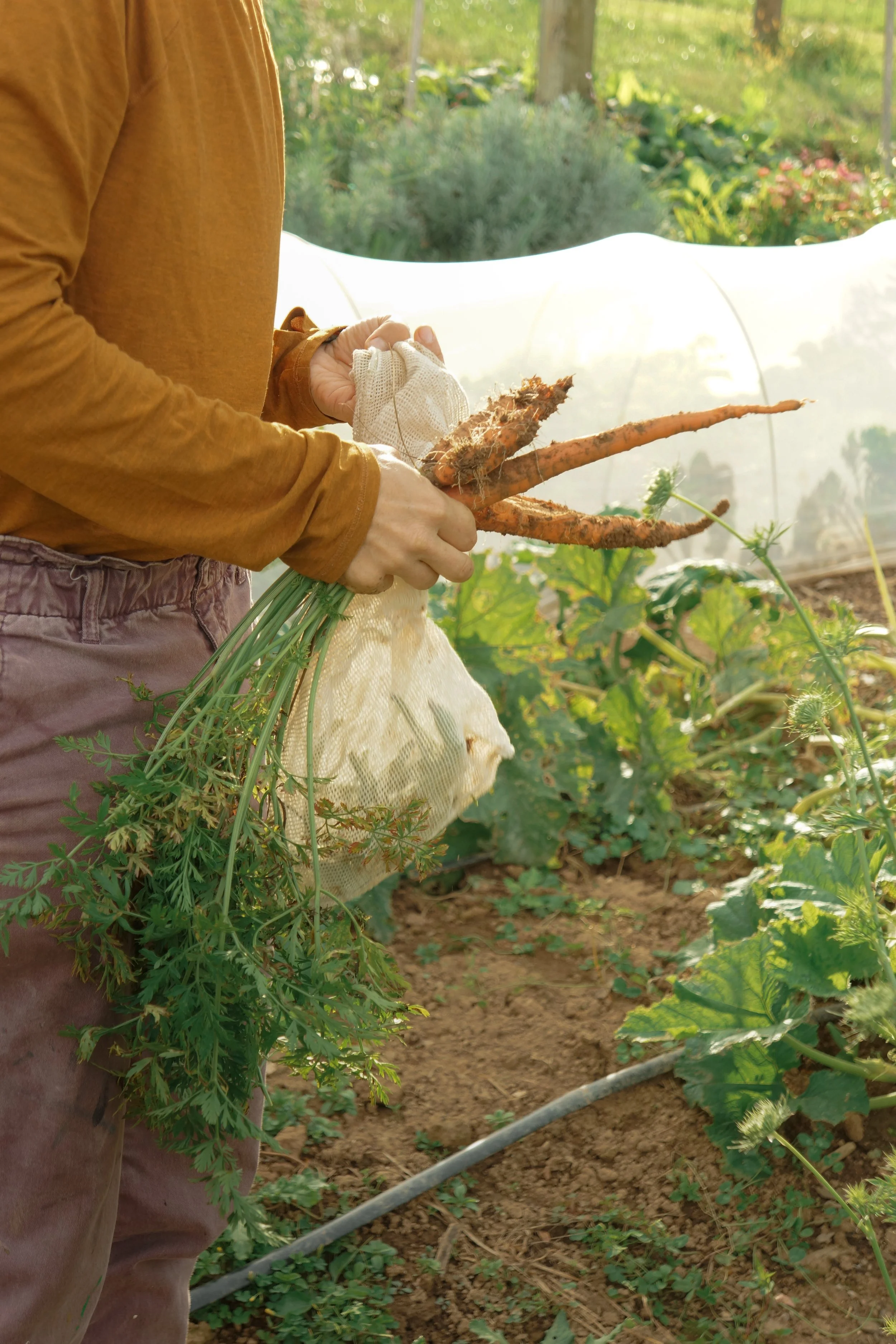
Toward the end of our conversation, I asked Norah what might be done differently if given the opportunity to start the plot over again. The answer had less to do with crop production or infrastructure and more to do with the experience of moving through the garden. Norah envisioned winding pathways and distinct garden rooms, each with its own identity. Visitors might move between a woodland garden, a Three Sisters planting, or other spaces shaped around particular themes.
There are already hints of this approach throughout the property, including a centrally located garden shaped like a heart, appropriately named the Heart Garden, and a Three Sisters-style planting near the perimeter. The collective also has hopes of introducing animals someday, including ducks, rabbits, goats, and sheep, perhaps returning grazing animals to the land where they once roamed.
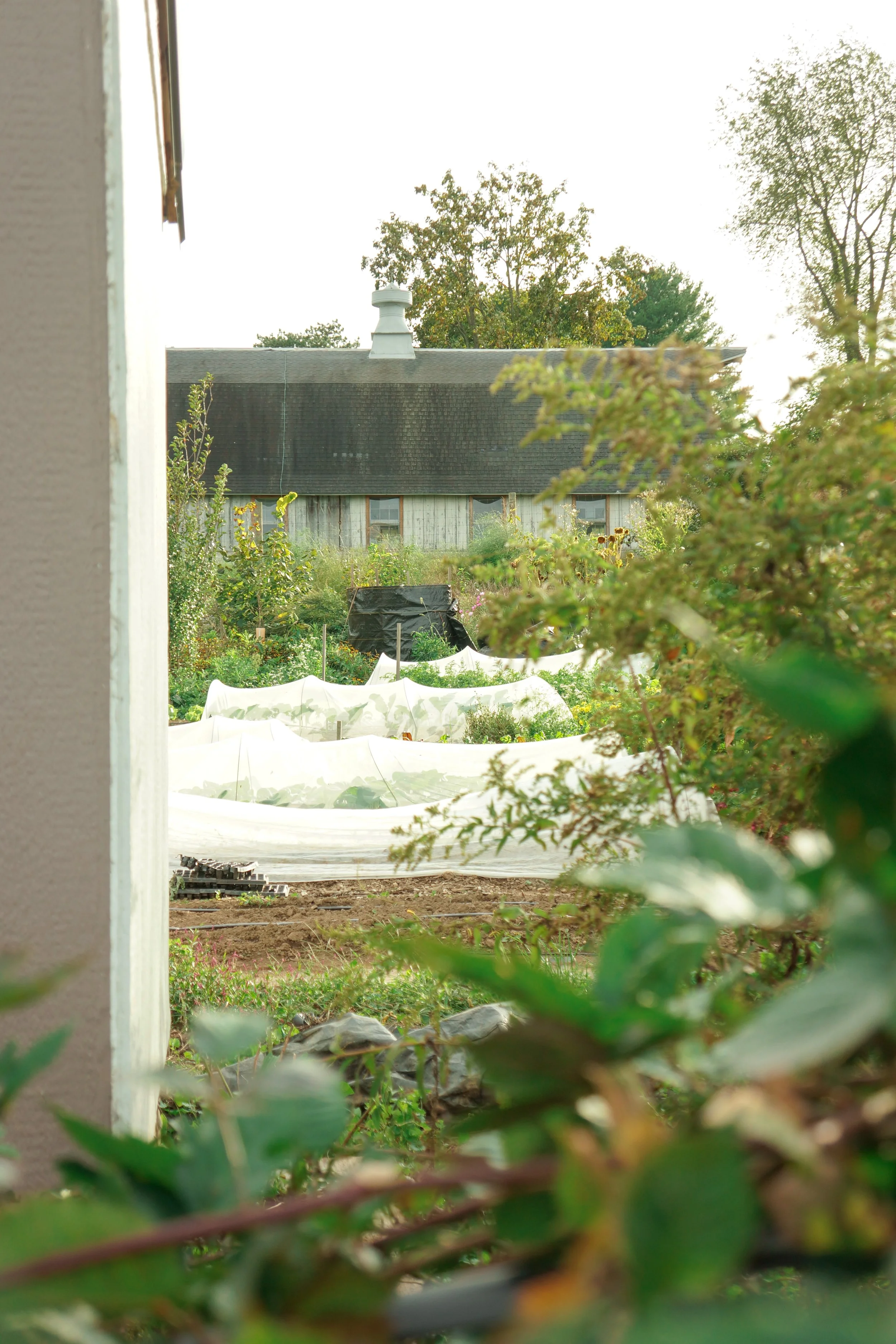
These ideas made me think about the different ways we approach cultivated spaces. In production horticulture, consistency and efficiency are often central to the design of a growing system. Here, the farm seems to be shaped by a different set of priorities, with room for personal interests, experimentation, and changing ambitions.
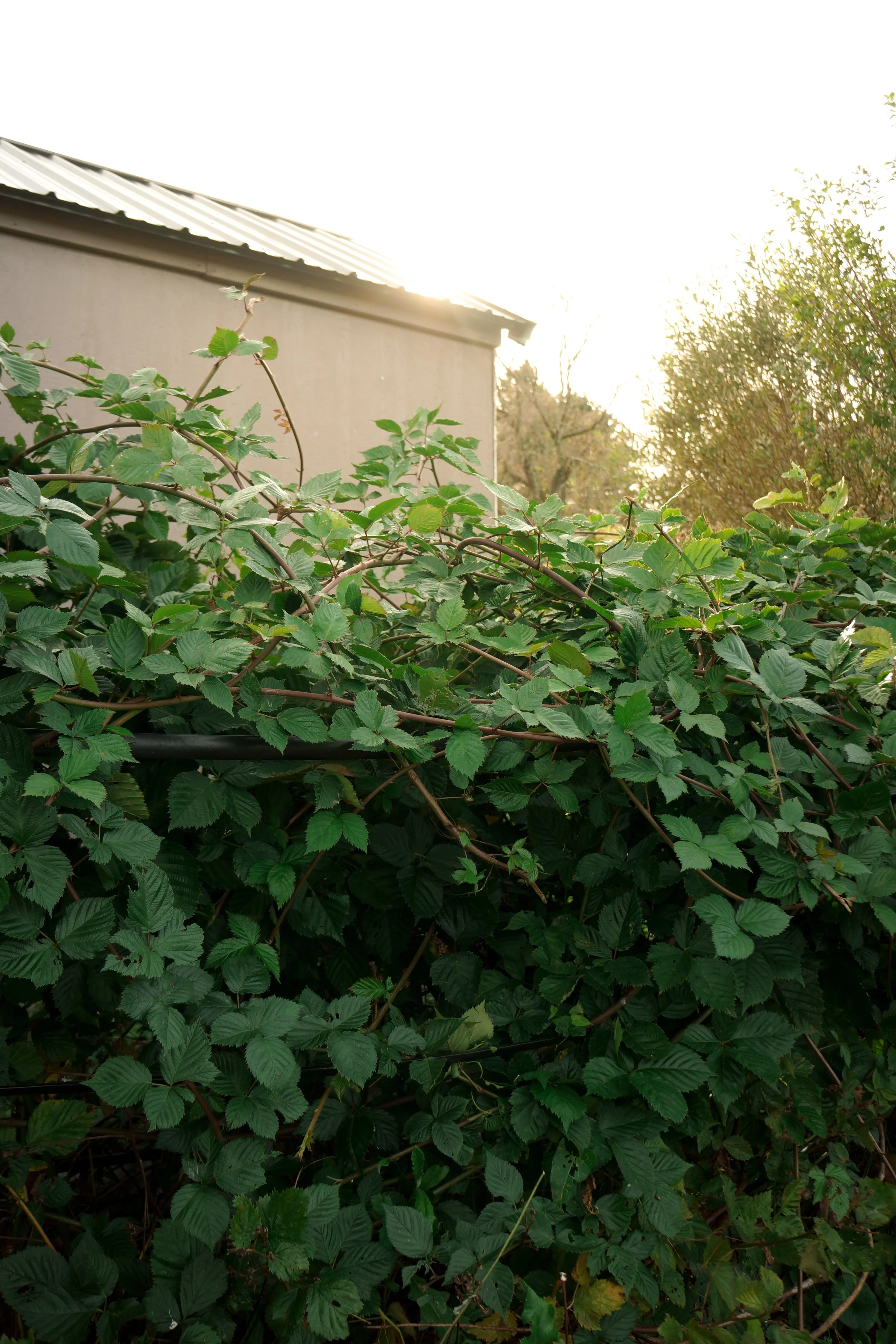
When I asked Norah about the most rewarding part of being involved with the collective, the conversation turned to the relationships formed there. Members share meals, care for one another’s children, and find both companionship and a shared sense of purpose through their work on the land.
Norah described the farm as a healing space, and one observation in particular stayed with me:
“People roll in and out, but generally, they leave changed in some way.”
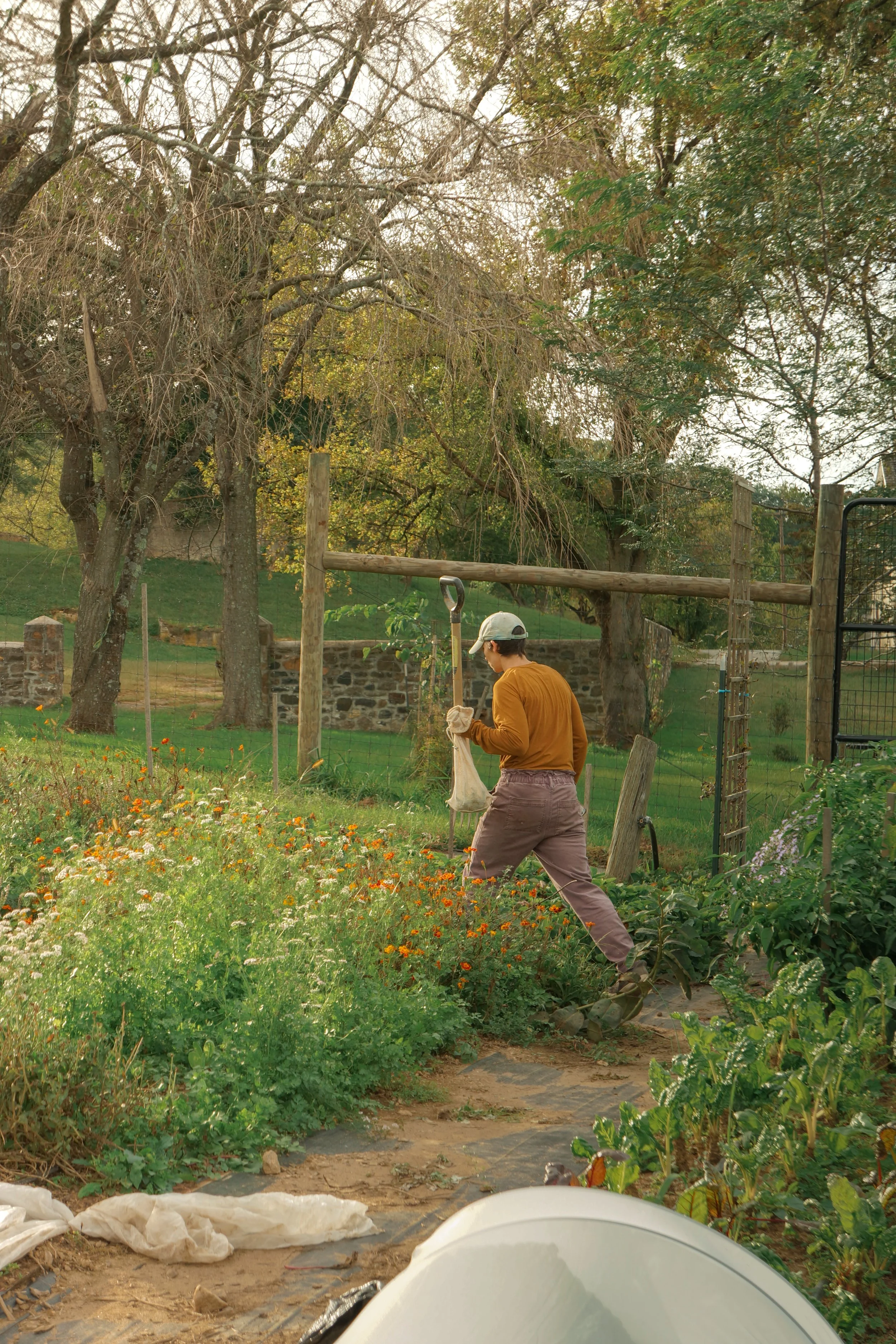
I wonder whether the same might be said of the farm itself. Each season brings different hands, different ideas, and different challenges. A bed is moved, a crop is introduced, one project ends so another can begin.
Perhaps the most lasting thing cultivated at Emergent Abundance isn’t any particular crop or planting bed, but the influence of those who have passed through it. The people leave their mark on the land, and the land, in turn, leaves its mark on them.
Sincerely,
The Grower